
By Laura Watson
Artificial intelligence (AI) is revolutionizing various industries, and retail is no exception. As a retail business, you are constantly seeking ways to improve customer satisfaction and reduce costs. AI provides innovative solutions that address these needs, particularly through style matching, which aims to align products with consumer preferences seamlessly.
AI systems in retail analyze vast amounts of data to predict trends, optimize inventory, and personalize the shopping experience, including customer preferences for categories like party wear dress. This technology enables you to understand your customers better, offering insights into buying behaviors and preferences. By leveraging AI, you can enhance operational efficiencies, minimize waste, and ultimately boost your bottom line.
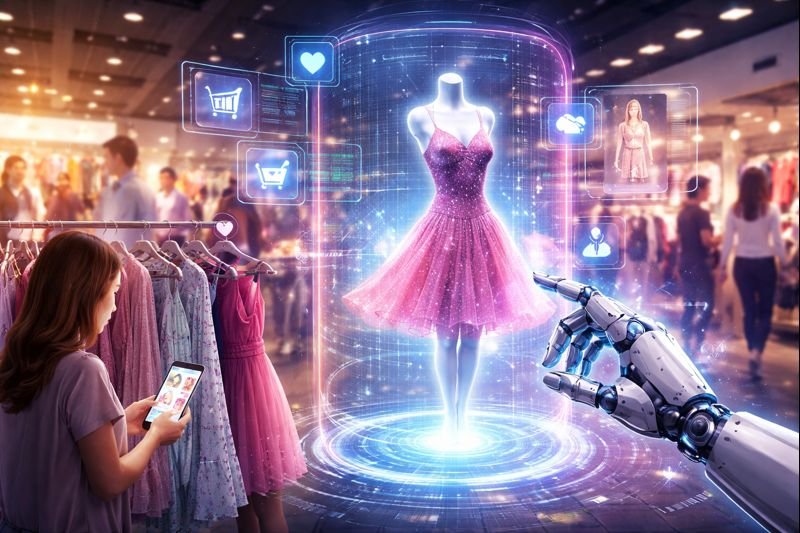
The implementation of AI in retail goes beyond mere automation. It empowers you to create a more engaging and interactive customer journey. From virtual fitting rooms to personalized shopping assistants, AI transforms the way you connect with your customers, ensuring a more satisfying and efficient retail experience.
The Importance of Style Matching in Reducing Returns
Product returns are a significant challenge in the retail industry, often resulting in lost revenue and increased operational costs. One of the primary reasons for high return rates is the mismatch between product offerings and customer expectations, particularly for items such as fancy replica products. Style matching, powered by AI, plays a crucial role in minimizing these returns by ensuring customers receive products that meet their tastes and preferences.
Accurate style matching means that you can reduce the likelihood of customers returning products due to dissatisfaction. By aligning your product offerings with what customers are looking for, you enhance their shopping experience, leading to increased customer loyalty and repeat business. Furthermore, reducing returns directly impacts your operational efficiency and sustainability efforts, as fewer returns mean less waste and fewer resources spent on processing these returns.
Incorporating style matching into your retail strategy not only improves customer satisfaction but also optimizes your inventory management. With AI-driven insights, you can better predict what styles will be popular, allowing you to stock accordingly and avoid overproduction or stockouts, further reducing the need for markdowns and clearance sales.
How AI Algorithms Analyze Customer Preferences
AI algorithms analyze customer preferences through sophisticated data collection and processing techniques. These algorithms track and interpret customer interactions, such as browsing history, purchase records, and even social media activity, to build a comprehensive profile of individual preferences. This data-driven approach enables you to tailor your offerings to meet the specific tastes and needs of your customers.
To effectively analyze customer preferences, AI systems utilize machine learning models that learn from past behaviors and continuously adjust predictions as more data becomes available. This dynamic learning process ensures that your style matching remains relevant and accurate, adapting to changing trends and consumer preferences over time. By understanding these nuances, you can provide personalized recommendations that resonate with your customers.
The insights gained from AI analysis allow you to create targeted marketing campaigns, optimize product recommendations, and enhance the overall shopping experience. By leveraging these tools, you can increase engagement, drive sales, and foster long-term customer relationships, all while reducing the likelihood of returns due to mismatched preferences.
The Technology Behind AI Style Matching
The technology that powers AI style matching is a combination of advanced algorithms, machine learning, and natural language processing (NLP). These technologies work together to interpret vast amounts of unstructured data, such as images, text, and customer feedback, transforming it into actionable insights. By harnessing this technology, you can offer a more personalized shopping experience that aligns with individual tastes.
Machine learning models are particularly effective in identifying patterns and trends within data sets. These models can predict which styles and products will appeal to specific customer segments, allowing you to tailor your inventory and marketing strategies accordingly. Additionally, NLP enables AI systems to understand and interpret human language, enhancing their ability to analyze customer reviews and feedback for more nuanced insights.
The integration of computer vision technology further enhances AI’s capabilities in style matching. By analyzing product images, AI can identify key features and stylistic elements, ensuring that recommendations align closely with customer preferences. This comprehensive approach to style matching not only improves customer satisfaction but also positions your brand as a leader in innovation and personalization.
Benefits of AI-Driven Style Matching for Retailers
Adopting AI-driven style matching can provide numerous benefits for your retail business. One of the most significant advantages is the ability to offer personalized shopping experiences that resonate with your customers, leading to higher satisfaction and increased sales. By accurately matching products to customer preferences, you can minimize returns and associated costs, improving your overall profitability.
AI-driven style matching also enhances your inventory management processes. By predicting which styles will be popular, you can optimize your stock levels, reducing the risk of overproduction and markdowns. This approach not only saves costs but also supports sustainability efforts by minimizing waste and resource consumption.
Furthermore, the insights gained from AI style matching enable you to create more targeted marketing campaigns, increasing the effectiveness of your advertising efforts. By reaching the right audience with the right message, you can boost engagement, conversion rates, and customer loyalty. Ultimately, integrating AI into your retail strategy positions your brand for long-term success in a competitive market.
Challenges Faced in AI Style Matching
Despite the numerous benefits, implementing AI style matching in retail comes with its own set of challenges. One primary concern is data privacy and security. As AI systems require access to vast amounts of customer data, ensuring the protection of this information is paramount. You must implement robust security measures to safeguard customer data and maintain trust.
Another challenge is the complexity of integrating AI technologies into existing retail systems. This process can be resource-intensive and may require significant investments in infrastructure and training. You need to ensure that your team is well-equipped to handle the transition and maximize the potential of AI tools.
Additionally, the rapidly evolving nature of AI technology can present challenges in keeping up with the latest advancements. To remain competitive, you must stay informed about emerging trends and continuously update your systems and strategies. By addressing these challenges proactively, you can successfully harness the power of AI style matching to enhance your retail operations.
Future Trends in AI and Retail Style Matching
The future of AI in retail style matching is promising, with several trends poised to shape the industry. One emerging trend is the use of augmented reality (AR) and virtual reality (VR) technologies to create immersive shopping experiences. These technologies allow customers to visualize products in real-time, enhancing their ability to make informed purchasing decisions and reducing the likelihood of returns.
Another trend is the increasing use of AI-powered chatbots and virtual assistants. These tools provide personalized support and recommendations, improving customer engagement and satisfaction. As AI technology continues to advance, these virtual assistants will become more sophisticated, offering even greater value to your customers.
Additionally, the integration of AI with the Internet of Things (IoT) is set to revolutionize inventory management and supply chain operations. By leveraging IoT sensors and AI algorithms, you can gain real-time insights into inventory levels and demand patterns, enabling more efficient and responsive operations. Staying ahead of these trends will position your brand as a leader in innovation and customer experience.
How Retailers Can Integrate AI Style Matching into Their Strategy
Integrating AI style matching into your retail strategy requires careful planning and execution. Start by assessing your current systems and identifying areas where AI can provide the most value. This may involve conducting a thorough analysis of your customer data, inventory management processes, and marketing strategies.
Once you have identified the key areas for AI integration, develop a clear roadmap outlining the steps needed to implement these technologies. This may involve investing in new infrastructure, training your team, and partnering with AI vendors to access the latest tools and expertise. Ensure that your strategy aligns with your overall business goals and objectives.
Finally, continuously monitor and evaluate the performance of your AI systems to ensure they deliver the desired results. Use data-driven insights to refine your strategies and adapt to changing market conditions. By taking a strategic approach to AI integration, you can unlock the full potential of style matching and elevate your retail operations to new heights.
Conclusion: The Future of Retail with AI
As AI technology continues to evolve, it offers exciting opportunities for you to enhance your retail operations and deliver exceptional customer experiences. By leveraging AI-driven style matching, you can reduce returns, optimize inventory, and create personalized shopping journeys that resonate with your customers.
Embracing AI not only positions your brand for success in a competitive market but also supports your sustainability efforts by minimizing waste and resource consumption. As you continue to explore the potential of AI in retail, remember to stay informed about emerging trends and continuously refine your strategies to maintain a competitive edge.
Laura Watson is an amateur astronomer, a writer, and an artist. She loves reading and believes that learning keeps you alive.Laura write blogs for several websites and enjoys doing it.








 Guest Posting

