
By Laura Watson
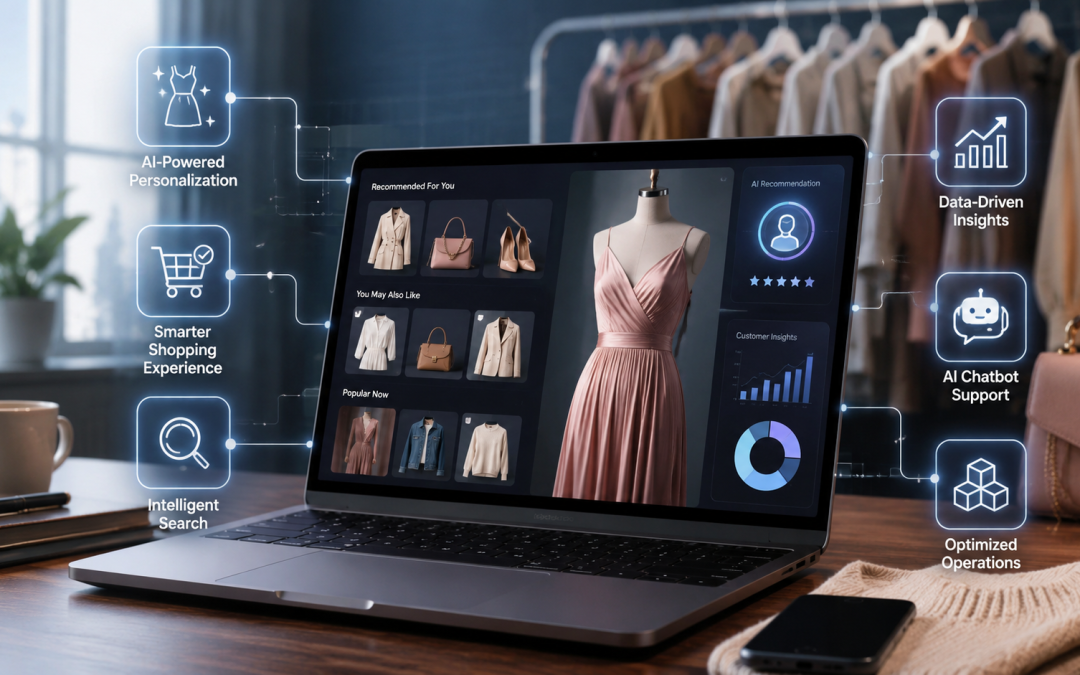
In today’s rapidly evolving digital landscape, the fashion e-commerce industry is experiencing a profound transformation, driven largely by Artificial Intelligence (AI). As a key driver of innovation, AI is reshaping how fashion brands interact with consumers online, providing a more personalized and efficient shopping experience. By integrating AI technologies, you can enhance your website development process, offering your customers a seamless and engaging journey from browsing to purchase.
Fashion e-commerce businesses are leveraging AI to analyze vast amounts of data, from customer preferences to market trends. This analysis allows you to make informed decisions that can significantly improve your website’s performance and user engagement. AI’s ability to process data at an unprecedented speed and scale is a game-changer, enabling you to tailor your offerings to meet the dynamic demands of the fashion market, including popular categories such as fancy dress.
As you explore the integration of AI in your e-commerce strategy, you’ll find that it not only boosts your website’s functionality but also enhances your brand’s appeal. From streamlining operations to creating a more interactive and personalized shopping experience, AI is at the forefront of the digital revolution in fashion retail.
The Role of AI in Website Development
AI plays a pivotal role in website development, especially for fashion e-commerce platforms. By incorporating AI-driven tools, you can create websites that are not only visually appealing but also highly functional and responsive. These tools allow you to automate various aspects of website management, such as content creation, layout design, and customer support, leading to a more efficient development process.
One of the primary ways AI enhances website development is through natural language processing (NLP) and machine learning algorithms. These technologies enable your website to better understand and anticipate customer needs, providing personalized recommendations and search results. By integrating AI into your website, you can ensure that your customers find exactly what they’re looking for, enhancing their overall shopping experience.
Moreover, AI-driven analytics can help you optimize your website’s performance by identifying areas for improvement. By analyzing user behavior and feedback, you can make data-driven decisions to enhance site navigation, load times, and overall usability. This continuous improvement process ensures that your website remains competitive and aligned with the latest industry trends, including customer interest in products such as master replica lawn.
Key Benefits of AI for Fashion E-Commerce Websites
Integrating AI into your fashion e-commerce website offers numerous benefits that can significantly enhance your business operations and customer satisfaction. One of the most significant advantages is the ability to provide personalized shopping experiences. AI algorithms can analyze customer data to offer tailored product recommendations, increasing the likelihood of conversions and repeat purchases.
Another key benefit of AI is its ability to improve inventory management. By analyzing sales data and predicting demand trends, AI can help you optimize stock levels, reducing the risk of overstocking or stockouts. This not only enhances your operational efficiency but also ensures that your customers have access to the products they desire, when they want them.
AI also plays a crucial role in enhancing customer service. AI-powered chatbots and virtual assistants can provide instant support, answering customer queries and resolving issues around the clock. This not only improves customer satisfaction but also frees up your human resources to focus on more complex tasks, ultimately driving business growth.
AI-Powered Personalization in Online Shopping
Personalization is at the heart of modern e-commerce, and AI is the driving force behind this trend. By leveraging AI technologies, you can offer your customers a shopping experience that feels tailored to their individual preferences and needs. This level of personalization is achieved through advanced data analysis, which allows AI to learn from customer behavior and adapt recommendations accordingly.
There are several ways AI can enhance personalization on your e-commerce platform. For instance, AI can analyze browsing history and purchase patterns to suggest products that align with your customers’ tastes. This not only increases the likelihood of a sale but also enhances customer satisfaction by making the shopping experience more relevant and enjoyable.
Moreover, AI can enhance personalization through dynamic pricing strategies. By analyzing market trends and customer data, AI can help you adjust prices in real-time, offering competitive deals that attract price-sensitive shoppers. This strategic pricing approach not only boosts sales but also strengthens customer loyalty, as shoppers feel they are receiving the best value for their money.
Enhancing User Experience with AI Technologies
User experience (UX) is a critical factor in the success of any e-commerce website, and AI technologies offer powerful tools to enhance it. By integrating AI, you can create a website that is intuitive, responsive, and engaging, providing your customers with a seamless shopping journey from start to finish.
One of the ways AI enhances UX is through intelligent search capabilities. AI-driven search engines can understand natural language queries and provide more accurate and relevant search results. This means that your customers can find the products they are looking for quickly and efficiently, reducing the likelihood of frustration and abandonment.
AI can also enhance UX through visual search capabilities. By allowing customers to search for products using images rather than text, you can offer a more intuitive and engaging shopping experience. This is particularly beneficial in the fashion industry, where visual aesthetics play a crucial role in purchasing decisions.
AI and Inventory Management for E-Commerce
Effective inventory management is essential for any successful e-commerce business, and AI offers innovative solutions to streamline this process. By harnessing the power of AI, you can optimize your inventory management, ensuring that you always have the right products in stock to meet customer demand.
AI technologies can analyze historical sales data and market trends to predict future demand with remarkable accuracy. This allows you to make informed decisions about stock levels, reducing the risk of overstocking or stockouts. By maintaining optimal inventory levels, you can minimize costs and maximize sales, boosting your bottom line.
Furthermore, AI can enhance supply chain management by providing real-time insights into inventory status and logistics. This allows you to respond quickly to changes in demand or disruptions in the supply chain, ensuring that your products are delivered to customers on time. By improving inventory management, AI helps you provide a more reliable and efficient shopping experience, strengthening your brand’s reputation and customer loyalty.
Predictive Analytics: Forecasting Trends in Fashion
Predictive analytics is a powerful tool in the fashion industry, allowing you to stay ahead of the curve by forecasting trends and consumer preferences. By leveraging AI-driven predictive analytics, you can gain valuable insights into future market trends, enabling you to make strategic decisions that drive business growth.
AI can analyze a vast array of data sources, from social media trends to historical sales data, to identify emerging patterns and preferences. This allows you to anticipate shifts in consumer demand and adjust your product offerings accordingly. By staying ahead of the latest fashion trends, you can ensure that your brand remains relevant and competitive in a rapidly changing market.
Predictive analytics also enables you to optimize your marketing strategies. By understanding which products are likely to be popular in the future, you can tailor your marketing campaigns to target the right audience at the right time. This not only increases the effectiveness of your campaigns but also maximizes your return on investment, driving long-term business success.
Future Trends: The Next Frontier of AI in Fashion
As AI continues to evolve, the fashion industry is poised to experience even greater transformations in the coming years. Emerging trends, such as augmented reality (AR) and virtual reality (VR), are set to revolutionize the online shopping experience, offering your customers a more immersive and interactive way to explore your products.
AI-driven AR and VR technologies allow customers to virtually try on clothes and accessories, offering a realistic and personalized shopping experience. This not only enhances customer satisfaction but also reduces return rates, as customers can make more informed purchasing decisions.
Another exciting trend is the integration of AI with blockchain technology. This combination offers increased transparency and traceability in the fashion supply chain, ensuring that your customers have access to ethical and sustainable products. By embracing these future trends, you can position your brand as an innovative leader in the fashion industry, attracting a new generation of tech-savvy consumers.
Conclusion: Embracing AI for Competitive Advantage
In conclusion, the integration of AI in fashion e-commerce website development offers a myriad of benefits that can significantly enhance your business operations and customer experience. From personalized shopping experiences to optimized inventory management and predictive analytics, AI provides the tools you need to stay ahead in a competitive market.
As you continue to embrace AI technologies, you will find new opportunities to innovate and differentiate your brand. By staying informed about the latest trends and advancements in AI, you can ensure that your business remains at the forefront of the fashion industry, delivering exceptional value to your customers.
Laura Watson is an amateur astronomer, a writer, and an artist. She loves reading and believes that learning keeps you alive.Laura write blogs for several websites and enjoys doing it.






 Guest Posting

