In today’s fast-paced digital world, fashion brands are continuously seeking innovative ways to capture the attention of their audience. Digital advertising has emerged as a powerful tool, revolutionizing the way fashion companies communicate with consumers. By leveraging various digital platforms, brands can now reach a broader audience with precision and creativity. This transformation is not just about adopting new technology but also about understanding and adapting to the ever-evolving consumer behaviors.
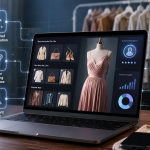
Digital advertising offers fashion brands the opportunity to create personalized experiences for their customers. With the ability to track user behavior and preferences, brands can tailor their messages to resonate more effectively with individual consumers. This personalization fosters a stronger connection between the brand and the consumer, enhancing loyalty and driving sales. For instance, brands specializing in formal dresses can leverage digital advertising to showcase collections tailored to specific events such as weddings, proms, or corporate functions.
Moreover, digital advertising allows for real-time interaction and engagement with audiences. Unlike traditional marketing methods, digital advertising provides immediate feedback, enabling fashion brands to adjust their strategies quickly. This agility is crucial in the fashion industry, where trends can change overnight. By embracing digital advertising, fashion brands can stay ahead of the curve and maintain their competitive edge.
The Evolution of Fashion Marketing
Fashion marketing has come a long way from its traditional roots. Initially, it relied heavily on print media, television, and radio to reach consumers. These methods, while effective, were limited in their reach and often required significant investment. As the internet began to reshape the marketing landscape, fashion brands started exploring online advertising, opening up new avenues for engagement. This shift also facilitated the rise of replica dresses in the market.
The digital era has introduced a more interactive and dynamic approach to fashion marketing. Websites, social media, and online advertisements allow brands to engage with their audience in real-time. This shift from passive consumption to active engagement has transformed the consumer’s role in the marketing process. Consumers are no longer just recipients of information; they are participants, providing feedback, sharing content, and influencing brand narratives.
Additionally, the evolution of fashion marketing has been marked by the rise of e-commerce. Online shopping has become a critical component of the fashion industry, with digital advertising playing a vital role in driving traffic to online stores. The integration of shopping features into social media platforms has further blurred the lines between browsing and buying, creating a seamless experience for consumers.
Current Trends in Digital Advertising for Fashion
The digital advertising landscape in the fashion industry is constantly evolving, with new trends emerging regularly. One of the most significant trends is the use of immersive technologies such as augmented reality (AR) and virtual reality (VR). These technologies allow consumers to virtually try on clothes and accessories, enhancing the shopping experience and reducing the likelihood of returns.
Another trend gaining traction is the use of video content. With platforms like Instagram, TikTok, and YouTube, fashion brands are leveraging short-form videos to showcase their collections in creative and engaging ways. Video content is highly shareable and has the potential to go viral, significantly increasing brand visibility and reach.
Sustainability is also becoming a crucial aspect of digital advertising in fashion. Consumers are increasingly conscious of the environmental impact of their purchases, and brands are responding by highlighting their sustainable practices in their advertising campaigns. By promoting eco-friendly products and transparent supply chains, fashion companies can appeal to a growing segment of environmentally-conscious consumers.
The Role of Social Media in Fashion Advertising
Social media has become a cornerstone of digital advertising in the fashion industry. Platforms like Instagram, Facebook, and Pinterest offer fashion brands a space to connect with their audience, showcase their products, and build their brand identity. Social media’s visual nature is particularly suited to fashion, allowing brands to create visually appealing content that captures the attention of their audience.
One of the key advantages of social media is its ability to facilitate two-way communication between brands and consumers. Fashion companies can engage with their audience through comments, direct messages, and interactive content such as polls and quizzes. This interaction fosters a sense of community and loyalty among consumers, making them more likely to support the brand.
Additionally, social media platforms provide valuable insights into consumer behavior and preferences. Through analytics tools, fashion brands can track engagement metrics, identify trends, and adjust their strategies accordingly. This data-driven approach enables brands to optimize their advertising efforts and achieve better results.
Influencer Marketing in the Fashion Industry
Influencer marketing has become a powerful strategy in the fashion industry, allowing brands to reach new audiences through trusted voices. By collaborating with influencers who align with their brand values, fashion companies can tap into the influencer’s established audience and build credibility. Influencers, with their authentic content and personal touch, have the power to sway consumer opinions and drive purchasing decisions.
Fashion influencers come in various forms, from high-profile celebrities to niche content creators. Each type of influencer brings a unique set of advantages. While celebrities can offer massive reach, micro-influencers often provide higher engagement rates due to their close-knit communities. Brands can choose influencers based on their specific goals and target audience.
The success of influencer marketing in fashion is largely due to its ability to create relatable and aspirational content. Unlike traditional advertising, influencer content often feels more genuine and less commercial, resonating better with audiences. By showcasing products in real-life scenarios, influencers help consumers envision how the items fit into their own lives.
Data-Driven Strategies for Fashion Brands
In the digital age, data is a valuable asset for fashion brands looking to optimize their advertising strategies. By analyzing consumer data, brands can gain insights into purchasing behavior, preferences, and trends. This information allows them to create targeted campaigns that are more likely to resonate with their audience and drive sales.
One data-driven strategy that fashion brands can employ is segmentation. By dividing their audience into smaller, more specific groups based on demographics, interests, or behavior, brands can tailor their messages to each segment. This personalized approach increases the relevance of the advertising and enhances consumer engagement.
Predictive analytics is another powerful tool for fashion brands. By analyzing past data, brands can forecast future trends and consumer behavior, allowing them to make informed decisions about product development and marketing strategies. This proactive approach helps brands stay ahead of the competition and meet consumer demands more effectively.
The Impact of Mobile Advertising on Fashion Sales
With the rise of smartphones, mobile advertising has become a crucial component of digital marketing strategies in the fashion industry. Mobile devices offer consumers the convenience of shopping anytime, anywhere, making them a powerful tool for driving sales. Mobile advertising allows fashion brands to reach consumers on-the-go, with personalized and timely messages that encourage immediate action.
One of the key advantages of mobile advertising is its ability to leverage location-based targeting. By using geolocation data, fashion brands can deliver relevant ads to consumers based on their physical location. This strategy is particularly effective for promoting in-store events or directing consumers to nearby retail outlets.
Furthermore, mobile advertising offers various formats that can capture consumer attention. From display ads and video content to interactive ads and push notifications, fashion brands can choose the format that best suits their campaign goals. This versatility ensures that brands can create engaging and impactful advertising experiences for their audience.
Future Predictions for Digital Advertising in Fashion
As technology continues to advance, the future of digital advertising in the fashion industry looks promising. One prediction is the increased use of artificial intelligence (AI) in advertising strategies. AI can analyze consumer data to deliver highly personalized and relevant ads, enhancing the overall shopping experience.
Another trend to watch is the integration of blockchain technology in fashion advertising. Blockchain can provide transparency in supply chains, allowing brands to showcase their commitment to sustainability and ethical practices. This transparency can build trust with consumers and differentiate brands in a crowded market.
Finally, the rise of the metaverse presents exciting opportunities for fashion brands. Virtual reality environments offer immersive experiences that can transform the way consumers interact with brands. From virtual fashion shows to digital storefronts, the metaverse opens up new avenues for creativity and engagement.
Conclusion: Embracing Change in Fashion Marketing
In conclusion, digital advertising is transforming the fashion industry by offering innovative ways to connect with consumers. From personalized experiences and influencer collaborations to data-driven strategies and mobile advertising, the opportunities are vast. By staying informed about current trends and future predictions, fashion brands can continue to thrive in the ever-evolving digital landscape.
Laura Watson is an amateur astronomer, a writer, and an artist. She loves reading and believes that learning keeps you alive.Laura write blogs for several websites and enjoys doing it.







 Guest Posting

