
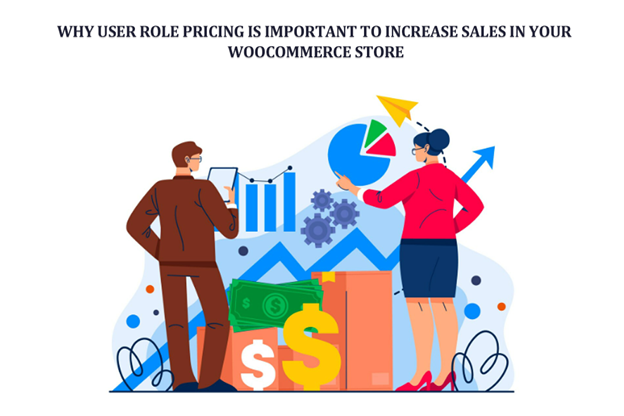
By David Macullum
Are you treating all your customers the same? Are you really charging everyone the same price?
Think about it for a second. A first-time visitor. A loyal customer who has ordered ten times. A wholesale buyer orders in bulk. Same price. Same experience. Same treatment.
That sounds simple. Clean. Easy. But in eCommerce, simplicity often hides lost opportunity. Customers today expect more. They expect relevance. Recognition. And pricing is one of the first places where this expectation shows up.
If your WooCommerce store still relies on one flat price for all users, you’re not just being fair. You’re being inefficient. And probably losing sales you never even notice.
Understanding User Role Pricing in WooCommerce
User role pricing is not complicated. It just sounds like it. At its core, it means different users see different prices. The product doesn’t change. The store doesn’t change. Only the customer role does.
Guests may see one price. Logged-in users are another. Wholesale customers are something else entirely. And all of it happens automatically. No duplicate products. No messy workarounds.
This model fits naturally with how people already think. Because not all customers are equal, and that’s okay.
Psychology Behind Personalized Pricing
Pricing is emotional. Always has been. People don’t buy based on logic alone. They buy based on feeling understood. Or not. A wholesale buyer seeing retail pricing feels ignored. A loyal customer paying full price feels unappreciated. A member without benefits feels fooled.
But show the right price, to the right person, at the right time? That creates comfort. Confidence. Sometimes, even excitement. User role pricing quietly taps into this psychology. No banners. No flashing popups. Just the right price.
How User Role Pricing Directly Increases Sales
- Converts Visitors into Registered Users
Most visitors don’t want to register. Let’s be honest. But show them a better price behind login, and suddenly registration doesn’t feel like work anymore.
It feels like access. Many stores use pricing as a gentle push. Guests browse. Logged-in users buy. Because the incentive is right there. Clear. Immediate. And once they’re registered? You’ve opened the door to repeat sales.
- Boosts Conversion Rates Without Sitewide Discounts
Discounting everything works. Short term. Then margins shrink. Brand value erodes. Customers wait for the next sale.
User role pricing avoids that trap. Instead of lowering prices for everyone, you lower them strategically for people who actually need the push.
Conversions rise. But your store doesn’t look desperate. That balance matters more than most store owners realize.
- Encourages Bulk and Wholesale Purchases
Wholesale buyers are different. They think in margins. Quantities. Long-term relationships. If they land on a store and see retail pricing, many won’t even ask questions. They leave.
User role pricing changes instantly. Lower prices appear only for approved roles. Clean. Professional. It tells wholesalers: this store understands you. And when buyers feel understood, they order more.
- Rewards Loyalty and Increases Repeat Purchases
Loyal customers notice everything. They notice when they pay the same as a first-time buyer. They notice when there’s no benefit to sticking around.
User role pricing fixes that quietly. You can reward returning customers without announcing it publicly. Better prices. Exclusive deals. Small perks that add up. Over time, loyalty stops being emotional. It becomes practical.
- Creates a Strong Membership Value Proposition
Memberships fail when benefits feel vague. “Exclusive access.” “Special perks.” Nice words. But customers want numbers. Role-based pricing gives them numbers. Real savings. Visible ones.
The moment a customer sees a lower price after becoming a member, the value becomes obvious. No explanation needed. That’s when memberships start selling themselves.
Improving Customer Experience Through Smart Pricing
- Reduces Friction and Confusion
Confusion kills sales. Too many prices. Wrong prices. Prices that don’t apply. User role pricing simplifies the experience. Customers see what matters to them. And nothing else. No second-guessing. No hesitation. Just clarity. And clarity converts.
- Builds Trust Through Fair Pricing
Trust is fragile online. Customers constantly compare prices. They talk. They notice inconsistencies. When pricing aligns with expectations, trust builds naturally. Wholesale buyers expect discounts. Members expect benefits. Meeting those expectations doesn’t impress customers. It reassures them. And reassurance is powerful.
Strategic Flexibility for Store Owners
- Full Control Over Pricing Strategy
Flat pricing is rigid. User role pricing is flexible. Almost playful. You can experiment. Adjust. Test. Roll back. Try again. Different roles. Different margins. Different goals. This level of control makes pricing feel less risky. More intentional.
- Scales Easily as Your Business Grows
Small stores think they won’t need this. Until suddenly they do. A wholesale inquiry. A loyalty program. A private group of buyers. With user role pricing, growth doesn’t require rebuilding your store. You add roles. Add prices. The structure is already there.
SEO and Marketing Advantages
- Better Segmentation for Marketing Campaigns
Roles are more than pricing tools. They’re segmentation tools. You know who buys what. At what price? And why. That makes marketing sharper. Emails are more relevant. Offers more effectively. Pricing becomes part of the message, not just the checkout.
- Higher Lifetime Customer Value (LCV)
The goal isn’t just more orders. It’s better for customers. User role pricing encourages customers to stay. To level up. To keep buying. Over time, the value of each customer increases. Not because you push harder. But because the system rewards them naturally.
Competitive Advantage in Crowded Markets
- Stand Out from Price-Driven Competitors
Everyone competes on price. Few compete on relevance. User role pricing lets you do both without racing to the bottom. You don’t need to be the cheapest. Just the smartest. Customers notice that difference, even if they can’t explain it.
- Enables Professional B2B Selling
B2B buyers expect structure. Role-based pricing provides that structure without complexity. Private pricing. Controlled access. Clean presentation. Suddenly, your WooCommerce store feels less like a small shop and more like a serious supplier. That perception alone can unlock bigger deals.
Real-World Example
Imagine a store selling electronics. Guests see standard prices. Registered users see slightly better ones. Wholesale buyers see real margins. Nothing flashy. Nothing forced. But sales increase. Orders get larger. Customers come back.
All because pricing matched expectations. That’s the quiet power of WooCommerce custom pricing by user role when used correctly.
Avoiding Common Pricing Mistakes
It’s still pricing. Mistakes happen. Too many discounts. Confusing rules. Poor communication. User role pricing works best when it’s simple. Logical. Consistent. When customers don’t need to ask questions, you’re doing it right.
Bigger Picture: Pricing as a Growth Strategy
Pricing is not just about revenue. It’s about positioning. Trust. Retention. Growth. When pricing adapts to people, not the other way around, stores scale more smoothly. And stress levels drop—a lot.
Conclusion
Most WooCommerce stores don’t fail because of bad products. They fail because of missed opportunities. Flat pricing is one of those missed opportunities.
With WooCommerce user role pricing, pricing stops being static. It becomes responsive. Human. Strategic. The question isn’t whether user role pricing works. The real question is how long you’re willing to sell without it.




 Guest Posting

