
By Laura Watson
In the world of digital marketing, Google Ads and Facebook Ads are two of the most powerful tools available to advertisers. These platforms offer businesses the ability to reach vast audiences with targeted advertising. When it comes to the real estate industry, both Google and Facebook provide unique opportunities to generate property leads. Understanding how each platform functions and the benefits they offer can significantly impact your marketing strategy.
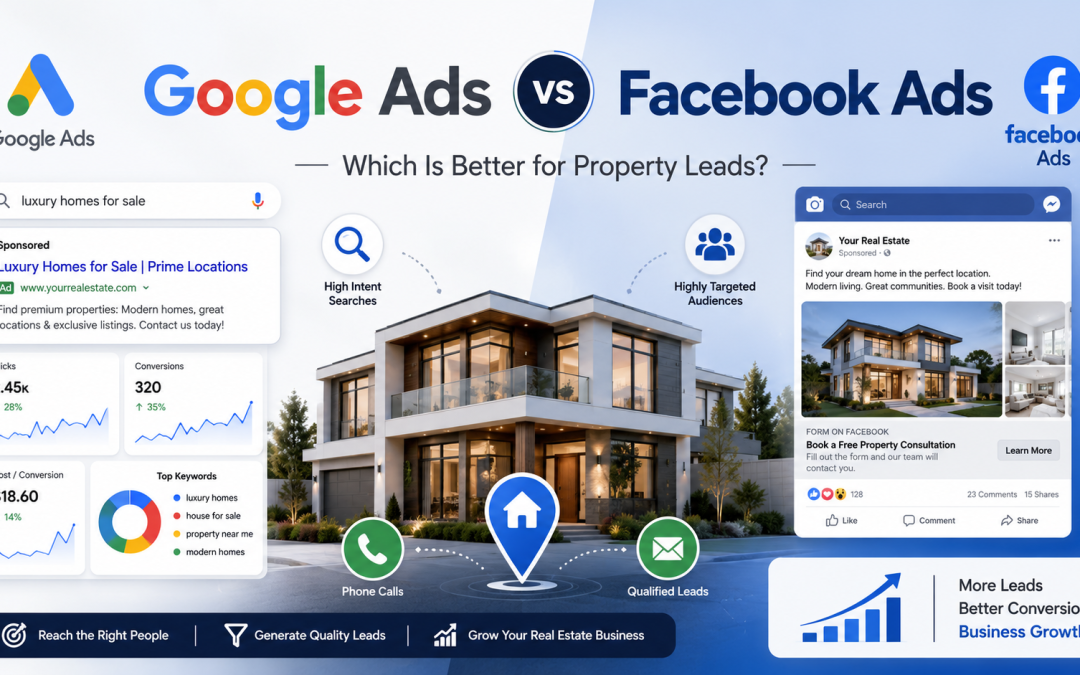
Google Ads, previously known as Google AdWords, is a pay-per-click advertising platform where you can display ads on Google’s search engine results pages and across its vast network. It allows you to target users based on keywords, ensuring your ads are shown to individuals actively searching for related terms, such as house for rent. On the other hand, Facebook Ads operate on the social media network, enabling you to target audiences based on demographics, interests, and behaviors, making it ideal for reaching users whose profiles match your property offerings.
Both platforms have made significant advancements in their advertising capabilities, but the choice between them often depends on your specific goals and audience. With Google Ads, you can leverage the power of intent-based searches, while Facebook Ads offer unparalleled audience segmentation. By examining their unique features, you can determine which platform aligns best with your property lead generation objectives.
Overview of Property Leads in the Real Estate Industry
Property leads are potential clients who express interest in buying, selling, or renting real estate. These leads can come from various sources, such as online advertisements, referrals, and direct inquiries, including searches for Plots for Sale in DHA Phase 3 Islamabad. In the competitive real estate market, capturing high-quality leads is crucial for successful transactions and business growth. Effective lead generation strategies can provide real estate professionals with a steady stream of prospects, ultimately leading to increased sales and revenue.
Real estate leads can be categorized into several types, including buyer leads, seller leads, and rental leads. Buyer leads are individuals looking to purchase a property, while seller leads are those wishing to sell their property. Rental leads involve clients interested in leasing properties. Understanding the nuances of each lead type will help you tailor your advertising efforts to meet specific client needs and expectations.
Incorporating digital advertising into your lead generation strategy can enhance your ability to reach potential clients. By using platforms like Google Ads and Facebook Ads, you can create targeted campaigns that attract the right audience. This approach not only improves the quality of your leads but also maximizes your return on investment by focusing your resources on prospects more likely to convert into clients, whether you’re promoting real estate services or a commercials production company.
Key Differences Between Google Ads and Facebook Ads
When comparing Google Ads and Facebook Ads, it is essential to consider their fundamental differences to make an informed decision for your property marketing strategy. One of the primary distinctions is the nature of user intent. Google Ads users are often actively searching for information, products, or services, making them more likely to engage with your ad if it aligns with their search query. In contrast, Facebook Ads target users based on their profile data and behaviors, capturing the attention of potential clients as they browse their social media feeds.
The ad formats available on each platform also differ significantly. Google Ads primarily focuses on text-based ads displayed in search results, although it also offers display ads across its network. Facebook Ads, on the other hand, provides a variety of formats, including image ads, video ads, carousel ads, and more. This diversity enables you to create engaging and visually appealing content that resonates with your target audience.
Another critical difference is the targeting capabilities of each platform. Google Ads allows you to target users based on keywords, location, and device, making it ideal for reaching individuals with specific search intents. Facebook Ads, however, offer advanced demographic targeting options, allowing you to reach users based on age, gender, interests, and behaviors. This level of granularity can be particularly beneficial for real estate professionals seeking to engage with niche markets or specific client demographics.
Analyzing the Cost-Effectiveness of Each Platform
When evaluating the cost-effectiveness of Google Ads versus Facebook Ads for generating property leads, several factors must be considered. One of the primary factors is the cost-per-click (CPC) or cost-per-impression (CPM) associated with each platform. Google Ads typically operates on a pay-per-click model, where you pay only when a user clicks on your ad. The CPC can vary widely based on the competitiveness of the keywords you choose and your industry.
Facebook Ads, on the other hand, can be priced on a CPC or CPM basis, depending on your campaign objectives. The cost per impression may be lower compared to Google Ads, but the value of each click or impression also depends on the quality of the audience you are targeting. In some cases, Facebook’s advanced targeting capabilities can result in higher conversion rates, making it a cost-effective option for reaching specific real estate audiences.
Return on Investment (ROI) is another crucial metric to consider when analyzing cost-effectiveness. While both platforms can deliver impressive results, understanding the conversion rate and lifetime value of your leads will help you determine the true cost-effectiveness of your campaigns. By tracking performance metrics and adjusting your strategies accordingly, you can optimize your ad spend to achieve the best possible results for your property lead generation efforts.
Understanding Targeting Options: Google Ads vs. Facebook Ads
Targeting options play a pivotal role in the success of your advertising campaigns, particularly when it comes to generating property leads. Google Ads offers keyword-based targeting, which allows you to display your ads when users search for specific terms related to your properties. This approach ensures that your ads reach users with a clear interest in your offerings, increasing the likelihood of conversion.
In contrast, Facebook Ads enable you to leverage demographic and interest-based targeting, providing a different approach to reaching potential clients. You can create custom audiences based on age, gender, location, interests, and even behaviors. This level of precision targeting allows you to tailor your ads to specific segments of the population, such as first-time homebuyers, luxury property seekers, or those interested in specific neighborhoods.
Both platforms also offer retargeting options, allowing you to engage users who have previously interacted with your ads or website. Retargeting can be an effective way to stay top-of-mind with potential clients and encourage them to take action. By understanding the targeting capabilities of Google Ads and Facebook Ads, you can develop a comprehensive strategy that maximizes your reach and effectiveness in generating high-quality property leads.
Performance Metrics: How to Measure Success with Each Platform
Measuring the success of your advertising campaigns is essential for optimizing your strategy and ensuring you are achieving your lead generation goals. Both Google Ads and Facebook Ads offer robust analytics tools to help you track key performance metrics. Understanding these metrics will provide valuable insights into the effectiveness of your campaigns and guide future decision-making.
For Google Ads, some of the critical performance metrics include click-through rate (CTR), conversion rate, cost-per-conversion, and return on ad spend (ROAS). These metrics will help you determine how well your ads are performing in terms of attracting clicks and converting those clicks into leads. Additionally, monitoring the quality score of your ads can provide insights into their relevance and impact on your overall campaign performance.
Facebook Ads offer a different set of metrics to evaluate, such as engagement rate, reach, impressions, and cost per result. These metrics will help you understand how effectively your ads are engaging your target audience and driving desired actions. By analyzing these performance metrics, you can make data-driven decisions to optimize your campaigns, improve your ad creatives, and refine your targeting strategies for maximum impact.
Best Practices for Running Ads on Google and Facebook
Running successful advertising campaigns on Google and Facebook requires a combination of strategic planning, creative execution, and ongoing optimization. To maximize the effectiveness of your property lead generation efforts, consider the following best practices for each platform.
For Google Ads, focus on selecting the right keywords relevant to your properties and refining your keyword list regularly. Craft compelling ad copy that highlights the unique selling points of your properties and includes strong calls-to-action. Utilize ad extensions to enhance the visibility of your ads and provide additional information, such as contact details or property highlights.
When it comes to Facebook Ads, invest time in creating visually appealing and engaging ad creatives that resonate with your target audience. Take advantage of Facebook’s targeting options to reach specific demographics and interests that align with your property offerings. Regularly test different ad formats, such as carousel or video ads, to determine which ones generate the most engagement and conversions.
Both platforms require continuous monitoring and optimization to achieve the best results. Analyze performance data to identify areas for improvement, and don’t hesitate to make adjustments to your campaigns as needed. By implementing these best practices, you can enhance the effectiveness of your Google and Facebook Ads, ultimately driving more property leads and business success.
Choosing the Right Platform for Your Property Leads
Selecting the appropriate advertising platform for your property lead generation efforts depends on various factors, including your target audience, budget, and specific marketing objectives. Both Google Ads and Facebook Ads have their strengths, and the right choice will depend on how well each platform aligns with your goals.
If your primary objective is to capture leads from users actively searching for properties, Google Ads may be the better option. Its keyword targeting capabilities allow you to reach potential clients with a clear intent to buy or sell real estate. However, if your goal is to build brand awareness and engage with a broader audience, Facebook Ads might be more suitable. Its advanced targeting options enable you to reach users based on demographics and interests, making it ideal for creating brand affinity and generating interest in your properties.
In some cases, a combination of both platforms may be the most effective approach. By leveraging the strengths of Google Ads and Facebook Ads, you can create a comprehensive marketing strategy that reaches potential clients at different stages of their buying journey. Ultimately, the choice of platform should be guided by your unique business needs and the specific characteristics of your target audience.
Conclusion: Making the Right Advertising Choice for Your Business
In conclusion, both Google Ads and Facebook Ads offer valuable opportunities for generating property leads in the real estate industry. Understanding the key differences, cost-effectiveness, targeting options, and performance metrics of each platform is essential for making informed decisions about your advertising strategy. By implementing best practices and continuously optimizing your campaigns, you can maximize your return on investment and achieve your lead generation goals.
As you consider your options, remember that the most effective advertising strategy may involve a combination of both platforms. By integrating Google Ads and Facebook Ads into your marketing efforts, you can reach a diverse audience, engage potential clients, and ultimately drive more property leads and business success.








 Guest Posting

