In the ever-evolving retail landscape, clothing stores face a myriad of challenges, from fierce competition to shifting consumer preferences. However, one strategy that has proven to be a game-changer in the fashion industry is email marketing. As we approach the years 2024-25, email marketing is set to become an indispensable tool for clothing stores looking to stay ahead of the curve.
Email marketing allows clothing stores to forge direct and personalized connections with their customers, fostering brand loyalty and driving sales. By leveraging the power of email, businesses can deliver targeted, relevant content such as promotions on denim jeans that resonates with their target audience, ultimately driving higher engagement and conversion rates. The Benefits of Email Marketing in the Fashion Industry
Targeted Outreach: Email marketing enables clothing stores to segment their audience and tailor their messaging to specific customer groups, ensuring that the right message reaches the right people at the right time.
Increased Conversions: Personalized email campaigns have been shown to drive higher click-through and conversion rates, translating into tangible revenue growth for clothing stores.
Enhanced Customer Engagement: Regular email communication keeps your brand top-of-mind, fostering stronger relationships with your customers and encouraging repeat business by showcasing popular items like fancy replica dresses.
Cost-Effective Advertising: Compared to traditional advertising methods, email marketing offers a more cost-effective way to reach and engage your target audience, making it an attractive option for clothing stores of all sizes.
Measurable Results: Email marketing platforms provide robust analytics, allowing clothing stores to track the performance of their campaigns and make data-driven decisions to optimize their strategies.
Email Marketing Statistics for Clothing Stores
According to a recent industry report, email marketing has a higher return on investment (ROI) than any other digital marketing channel, with an average ROI of $42 for every $1 spent. In the fashion industry specifically, email marketing has been shown to drive significant results:
80% of retail professionals indicate that email marketing is their most effective customer acquisition channel.
The average open rate for fashion-related emails is 21.5%, significantly higher than the overall industry average of 17.8%.
Clothing stores that personalize their email campaigns, such as featuring semi-formal attire, see a 14% increase in open rates and a 10% boost in click-through rates.
These statistics underscore the immense potential of email marketing for clothing stores, making it a crucial component of any successful digital marketing strategy.
How to Build an Email Marketing List for your Clothing Store
Building a robust email marketing list is the foundation of a successful campaign. Here are some effective strategies for clothing stores to grow their email subscriber base:
Opt-in Forms: Strategically place email signup forms on your website, in-store, and across your social media channels to encourage customers to join your mailing list.
Incentives: Offer exclusive discounts, early access to new collections, or other valuable incentives in exchange for email subscriptions.
Leveraging Existing Customers: Encourage your current customers to refer their friends and family by offering referral bonuses or discounts.
Offline Acquisition: Collect email addresses during in-store interactions, such as at the point of sale or during customer service interactions.
Giveaways and Contests: Run regular giveaways and contests that require email submissions to participate, expanding your reach and growing your list.
By implementing a multi-faceted approach to email list building, clothing stores can ensure a steady flow of engaged subscribers, setting the stage for successful email marketing campaigns.
Crafting Effective Email Marketing Campaigns for Clothing Stores
Effective email marketing campaigns for clothing stores go beyond simply sending promotional messages. Instead, they focus on delivering valuable, engaging content that resonates with the target audience. Here are some key elements to consider:
Compelling Subject Lines: Craft attention-grabbing subject lines that pique the recipient’s interest and encourage them to open your emails.
Personalized Content: Leverage customer data to create personalized email content that speaks directly to the individual’s interests and preferences.
Storytelling: Use email as a platform to share the story of your brand, highlighting your unique value proposition and connecting with customers on an emotional level.
Valuable Offers: Provide exclusive discounts, early access to new collections, or other enticing offers that incentivize customers to engage with your emails.
Consistent Branding: Ensure that your email design, tone, and messaging align with your overall brand identity, creating a cohesive and recognizable experience for your subscribers.
By crafting email campaigns that balance promotional content with valuable, engaging information, clothing stores can build trust, foster loyalty, and drive meaningful conversions.
Personalization and Segmentation in Email Marketing for Clothing Stores
In the highly competitive fashion industry, personalization and segmentation are crucial for the success of email marketing campaigns. By leveraging customer data and behavioral insights, clothing stores can create tailored email experiences that resonate with individual subscribers.
Segmentation Strategies: Divide your email list into segments based on factors such as customer demographics, purchase history, brand preferences, and engagement levels. This allows you to deliver highly targeted content that addresses the specific needs and interests of each segment.
Personalized Product Recommendations: Use data-driven algorithms to suggest products that are likely to interest each subscriber, based on their browsing and purchasing behavior. This personalized approach can significantly increase click-through and conversion rates.
Lifecycle-based Messaging: Create email campaigns that cater to different stages of the customer journey, such as welcome messages for new subscribers, abandoned cart reminders, and post-purchase follow-ups. This helps to nurture leads and encourage repeat business.
Dynamic Content: Leverage dynamic content capabilities to automatically update email elements, such as product images and descriptions, to ensure that the information remains current and relevant.
Behavioral Triggers: Set up automated email workflows that are triggered by specific customer actions, such as browsing a particular product category or abandoning a shopping cart. These triggered messages can help to re-engage customers and drive conversions.
By embracing personalization and segmentation strategies, clothing stores can create a more personalized and engaging email experience that resonates with their target audience and drives measurable results.
The Role of Visuals in Email Marketing for Clothing Stores
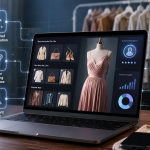
In the fashion industry, visuals play a crucial role in captivating and engaging the audience. This principle extends to email marketing, where the strategic use of imagery can significantly enhance the overall impact of your campaigns.
High-Quality Product Images: Showcase your clothing collections with professional, high-resolution product images that highlight the quality and design of your products.
Lifestyle Imagery: Incorporate lifestyle imagery that showcases your products in context, allowing customers to envision how the items would look and feel in their daily lives.
Branded Graphics: Utilize branded graphics, such as logos, icons, and custom illustrations, to reinforce your brand identity and create a cohesive visual experience for your subscribers.
Responsive Design: Ensure that your email design is optimized for both desktop and mobile devices, as a significant portion of your audience may be accessing your messages on the go.
Video Integration: Consider incorporating short, engaging videos into your email content, such as product demonstrations or behind-the-scenes glimpses, to capture the attention of your subscribers and drive increased engagement.
By leveraging the power of visuals, clothing stores can create email campaigns that are not only informative but also visually captivating, ultimately driving higher click-through rates and conversions.
Email Marketing Automation for Clothing Stores
Automating your email marketing efforts can significantly streamline your workflows and improve the overall efficiency of your campaigns. Here are some key ways clothing stores can leverage email automation:
Welcome Sequences: Set up automated welcome email series that introduce new subscribers to your brand, share information about your products and services, and encourage them to engage further.
Abandoned Cart Workflows: Implement automated email campaigns that target customers who have abandoned their shopping carts, reminding them of the items they left behind and providing an incentive to complete their purchase.
Post-Purchase Flows: Create automated email sequences that follow up with customers after they make a purchase, offering product care instructions, cross-selling opportunities, and opportunities to leave reviews or engage with your brand.
Triggered Campaigns: Develop automated email workflows that are triggered by specific customer actions, such as browsing a particular product category or signing up for a loyalty program.
Behavioral Segmentation: Leverage customer data and behavioral insights to automatically segment your email list and deliver personalized content based on each subscriber’s interests and preferences.
By embracing email marketing automation, clothing stores can streamline their workflows, improve the relevance and timeliness of their communications, and ultimately drive higher engagement and conversion rates.
Measuring the Success of your Email Marketing Campaigns for Clothing Stores
Effective email marketing requires a data-driven approach, where clothing stores continuously monitor and analyze the performance of their campaigns to identify areas for improvement. Here are some key metrics to track:
Open Rates: Monitor the percentage of subscribers who open your emails, as this metric can indicate the effectiveness of your subject lines and the overall relevance of your content.
Click-Through Rates (CTR): Measure the percentage of recipients who click on the links or calls-to-action within your emails, as this reflects the level of engagement and interest your content is generating.
Conversion Rates: Track the percentage of email recipients who take a desired action, such as making a purchase or signing up for a loyalty program, as this metric directly reflects the impact of your email campaigns on your business objectives.
Unsubscribe Rates: Monitor the number of subscribers who opt-out of your mailing list, as this can provide valuable insights into the overall satisfaction and engagement of your audience.
Revenue Attribution: Analyze the direct and indirect revenue generated by your email marketing efforts, allowing you to quantify the return on investment (ROI) and justify the resources dedicated to this channel.
By continuously monitoring and analyzing these key performance indicators, clothing stores can fine-tune their email marketing strategies, optimize their campaigns, and ensure that their efforts are driving tangible business results.
Tips for Optimizing your Email Marketing Strategy for Clothing Stores
To maximize the impact of your email marketing efforts, consider implementing the following best practices:
Leverage Customer Data: Collect and analyze customer data, such as purchase history, browsing behavior, and demographic information, to inform your email segmentation and personalization strategies.
Experiment with Subject Lines: Test different subject line variations to determine what resonates best with your audience and drives the highest open rates.
Optimize for Mobile: Ensure that your email design and content are optimized for seamless viewing on mobile devices, as a significant portion of your audience may be accessing your messages on the go.
Incorporate User-Generated Content: Leverage customer-generated content, such as product reviews and social media posts, to add authenticity and social proof to your email campaigns.
Analyze and Iterate: Continuously monitor the performance of your email campaigns, and use data-driven insights to refine your strategies, adjust your content, and optimize your results over time.
By implementing these optimization techniques, clothing stores can unlock the full potential of email marketing and position themselves for long-term success in the rapidly evolving retail landscape.
Conclusion: The Future of Email Marketing for Clothing Stores
As we look ahead to the years 2024-25, it’s clear that email marketing will continue to be a vital component of any successful digital marketing strategy for clothing stores. By leveraging the power of personalized, engaging email campaigns, businesses in the fashion industry can forge stronger connections with their customers, drive increased sales, and stay ahead of the competition.
Laura Watson is an amateur astronomer, a writer, and an artist. She loves reading and believes that learning keeps you alive.Laura write blogs for several websites and enjoys doing it.








 Guest Posting

